In the heart of Colorado, Denver has embraced sustainability with open arms, and its plumbing industry is no exception. Sustainable plumbing solutions Denver are in high demand as residents and businesses seek to reduce their environmental impact while maintaining efficient and reliable drainage systems. This article will guide you through the process of choosing the right eco-friendly drainage solutions for your property, ensuring both effectiveness and a minimal ecological footprint. By understanding the options available from local green plumbing experts, you can make informed decisions that contribute to Denver’s ongoing commitment to sustainability.
Understanding Eco-Friendly Drainage Systems
The Importance of Sustainable Plumbing in Denver
Denver, known for its stunning landscapes and thriving eco-conscious community, has implemented various initiatives to promote sustainable living. Sustainable plumbing solutions Denver are at the forefront of these efforts, focusing on water conservation, reduced pollution, and minimizing the environmental impact of plumbing systems. By opting for eco-friendly drainage options, residents and businesses contribute to preserving the city’s natural beauty and ensuring a healthier planet.
Benefits of Eco-Friendly Drainage Systems
- Water Conservation: These systems are designed to reduce water wastage by incorporating efficient drainage techniques and materials.
- Pollution Reduction: They minimize the discharge of harmful chemicals and pollutants into local water bodies, protecting aquatic ecosystems.
- Longevity: Eco-friendly options often use durable, high-quality materials, ensuring longer system lifespans and reduced maintenance needs.
- Energy Efficiency: Some drainage systems can be integrated with renewable energy sources, further decreasing operational costs and environmental impact.
- Cost Savings: While the initial investment may be higher, long-term savings on water bills and reduced maintenance can offset these costs over time.
Exploring Eco-Friendly Drainage Solutions in Denver
1. Rainwater Harvesting Systems
How it Works
Rainwater harvesting involves collecting and storing rainwater from rooftops for various purposes, including landscaping, toilet flushing, and even greywater recycling. In Denver’s semi-arid climate, this sustainable practice can significantly reduce water consumption and utility bills.
Types of Rainwater Harvesting Systems:
- Simple Storage Tanks: Basic systems with tanks installed below or on rooftops to collect rainwater. Ideal for smaller-scale applications like gardening.
- Pumping Systems: More advanced setups that pump harvested water into storage tanks, enabling its use in various plumbing fixtures.
- Greywater Recycling: A subset of rainwater harvesting where treated greywater (from showers, sinks, etc.) is reused for non-potable purposes.
Benefits:
- Reduces reliance on municipal water supplies.
- Ideal for drought-prone areas and regions with water scarcity issues.
- Can provide a continuous water source for landscaping and irrigation.
- Encourages water conservation without significant upfront costs.
2. Low-Flow Fixtures and Appliances
The Impact of Low-Flow Technology
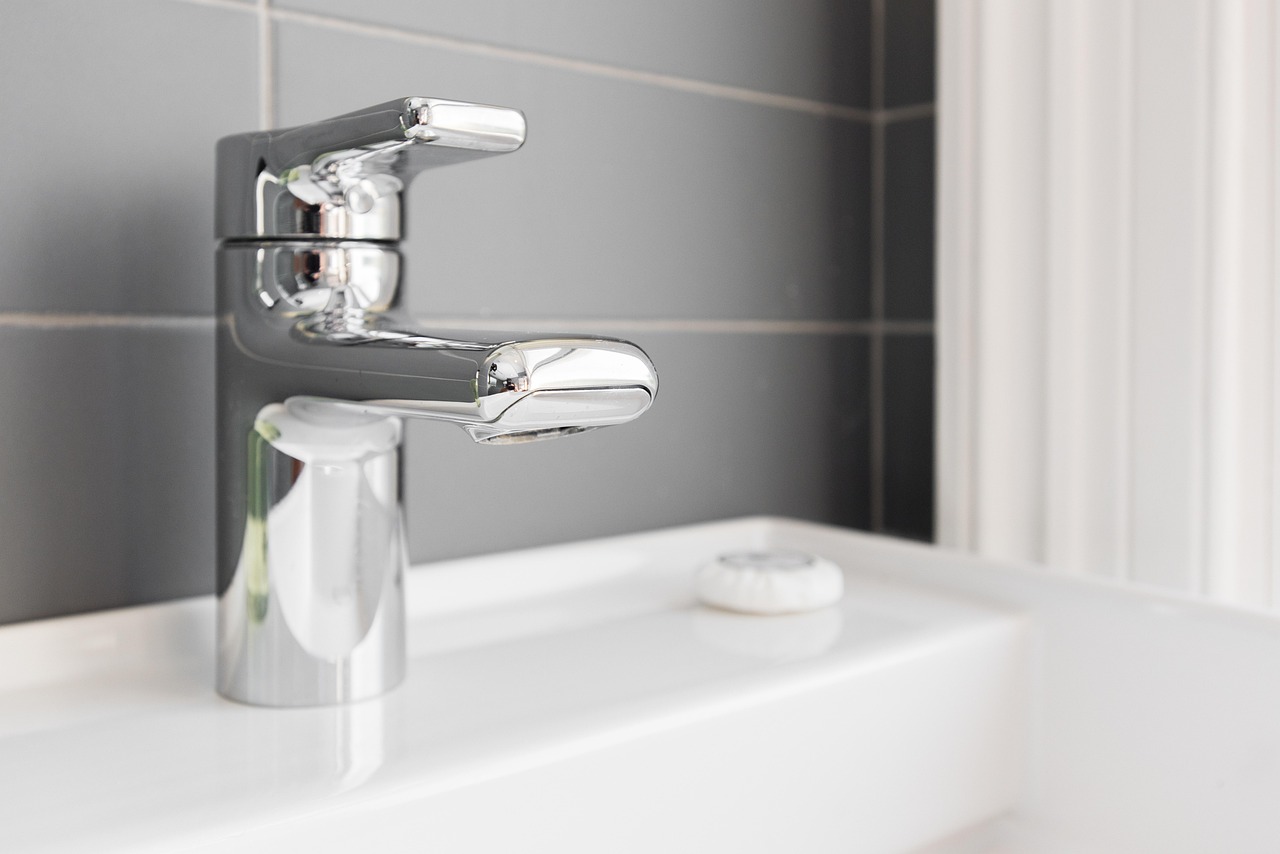
Low-flow fixtures, such as toilets, faucets, and showerheads, are designed to reduce water usage without compromising performance. This simple yet effective solution has been widely adopted across Denver and beyond due to its significant water conservation benefits.
Common Low-Flow Fixtures:
- Toilets: Dual-flush toilets offer a full flush for solid waste and a half-flush for liquid waste, saving up to 70% of water compared to standard models.
- Faucets and Showers: Aerator fixtures mix air with water, creating a satisfying flow while using less water. Low-flow showerheads can reduce water usage by up to 60%.
Installation Tips:
- Ensure compatibility with existing plumbing; some low-flow fixtures require specific pressure settings.
- Consult with local best eco-friendly plumbers near me for expert installation advice, especially when replacing older toilet models.
- Look for EPA WaterSense-certified products for guaranteed water efficiency.
3. Eco-Friendly Drain and Sewer Systems
Traditional vs. Sustainable Options
While conventional drainage systems often rely on chemical cleaners and high-pressure jets to clear obstructions, eco-friendly alternatives focus on natural, less invasive methods. These solutions not only protect local water sources but also promote the health of sewerage systems over time.
Sustainable Drainage Practices:
- Permeable Surfaces: Installing permeable pavers in parking lots and driveways allows rainwater to infiltrate the soil, reducing surface runoff and pressure on drainage systems.
- Bio-Swales: These vegetated drainage ways use plants and microorganisms to naturally filter and slow down stormwater runoff, preventing sediment and pollutants from entering sewers.
- Rain Gardens: Natural depressions filled with native plants that absorb and evaporate rainwater, providing a beautiful aesthetic and reducing stormwater pollution.
Benefits for Denver Properties:
- Improves water quality by filtering out pollutants before they enter sewer systems.
- Reduces the risk of flooding and overflows during heavy rainfall events.
- Enhances the natural beauty of landscapes while providing habitat for local wildlife.
- Can be designed to complement architectural styles, adding curb appeal.
Choosing the Right Eco-Friendly Plumber in Denver
Finding Licensed, Reputable Experts
When implementing sustainable plumbing solutions in Denver, engaging the services of local green plumbing experts is crucial. Here’s how to ensure you’re working with reputable, licensed professionals:
- Check Licenses and Permits: Verify that the plumber has valid licenses and permits to perform drainage work in Denver.
- Inquire About Certifications: Look for plumbers certified by industry organizations dedicated to sustainable practices, such as Green Plumbers International or local green building associations.
- Read Online Reviews: Explore online platforms like Yelp, Google Business, or Angie’s List to gauge customer satisfaction and the plumber’s reputation.
- Ask for References: Request references from previous clients to gain insights into their experience with the contractor.
What to Look for in an Eco-Friendly Plumber:
- Expertise: Ensure they specialize in eco-friendly drainage solutions, staying up-to-date with the latest technologies and techniques.
- Experience: Consider plumbers with a proven track record of successful projects, demonstrating their ability to handle various challenges.
- Warranties: Reputable plumbers often offer warranties on their work, providing peace of mind for customers.
- Customer Service: Look for professionals who prioritize clear communication, offering transparent pricing and explaining the process throughout.
Emergency Plumbing and Sustainable Solutions
When Quick Action is Necessary
In Denver’s unpredictable climate, emergency plumbing situations can arise, demanding swift action from reliable plumbers. If you’re facing a drainage issue that requires immediate attention, consider these points to ensure sustainable solutions:
- Call a Licensed Professional: For any emergency plumbing or drainage problem, contact a licensed plumber who offers 24/7 services. They are equipped to handle crises while adhering to eco-friendly practices.
- Avoid Chemical Drain Cleaners: While quick fixes, chemical drain cleaners can be harmful to pipes and the environment. Opt for natural alternatives or professional methods that avoid damaging chemicals.
- Temporary Solutions: In a pinch, use products like baking soda and vinegar to clear minor clogs naturally. However, for persistent issues, seek professional assessment.
Cost Considerations for Sustainable Plumbing
Investing in Eco-Friendly Solutions
Implementing sustainable plumbing solutions in Denver may involve significant upfront costs compared to traditional options. However, the long-term benefits and potential for utility savings make these investments worthwhile:
- Government Incentives: Check with local and state governments for rebates or incentives promoting water conservation and sustainable drainage practices.
- Energy Savings: Integrate eco-friendly systems with renewable energy sources to further reduce operational costs.
- Long-Term Savings: Efficient drainage systems can lead to substantial water bill reductions over time, offsetting initial installation expenses.
- Resale Value: Homes and businesses with eco-friendly features often command higher resale values, appealing to environmentally conscious buyers.
FAQ: Eco-Friendly Drainage Solutions in Denver
Q: How do I know if my plumbing system needs an upgrade to sustainable practices?
A: Look for signs of inefficient drainage, such as frequent clogs, slow drains, or water damage. Increased water bills and outdated fixtures are also indicators that suggest it’s time to consider eco-friendly upgrades. Regular maintenance can help identify potential issues early on.
Q: Are eco-friendly plumbing solutions more expensive than traditional ones?
A: While the initial costs may be higher, sustainable options often provide long-term savings. Advanced technologies and materials used in these systems are designed for durability and efficiency, reducing replacement needs and utility expenses over time.
Q: Can I install rainwater harvesting systems myself?
A: Basic rainwater harvesting systems can be installed by homeowners with some DIY skills. However, more complex setups, especially those involving pumping or greywater recycling, should be left to licensed professionals who can ensure proper installation and adherence to local building codes.
Q: How do I choose the best eco-friendly drain cleaning method for my home?
A: Avoid using chemical drain cleaners, as they can damage pipes and harm the environment. Opt for natural alternatives like baking soda and vinegar or call on professionals who use eco-friendly, enzyme-based cleaners or mechanical methods to clear clogs safely and effectively.
Q: Are there tax benefits for installing sustainable plumbing systems?
A: Yes, many governments offer tax incentives and rebates to encourage the adoption of water-efficient appliances and fixtures. Check with your local tax authority or water utility company for specific programs and eligibility criteria.
Conclusion: Embracing a Greener Future in Denver
Choosing sustainable plumbing solutions Denver is not just about adopting eco-friendly practices; it’s about contributing to the city’s commitment to environmental stewardship while ensuring efficient, reliable drainage systems. By understanding the various options available, from rainwater harvesting to low-flow fixtures and natural drain cleaning methods, property owners and businesses can make informed decisions. Collaborating with licensed, green plumbing experts in Denver ensures that these solutions are not only effective but also tailored to individual needs and budget constraints.
As Denver continues to flourish as a sustainable metropolis, embracing these innovative drainage practices becomes increasingly important. By doing so, residents and businesses play an active role in preserving the city’s natural beauty, promoting water conservation, and creating a greener future for generations to come.