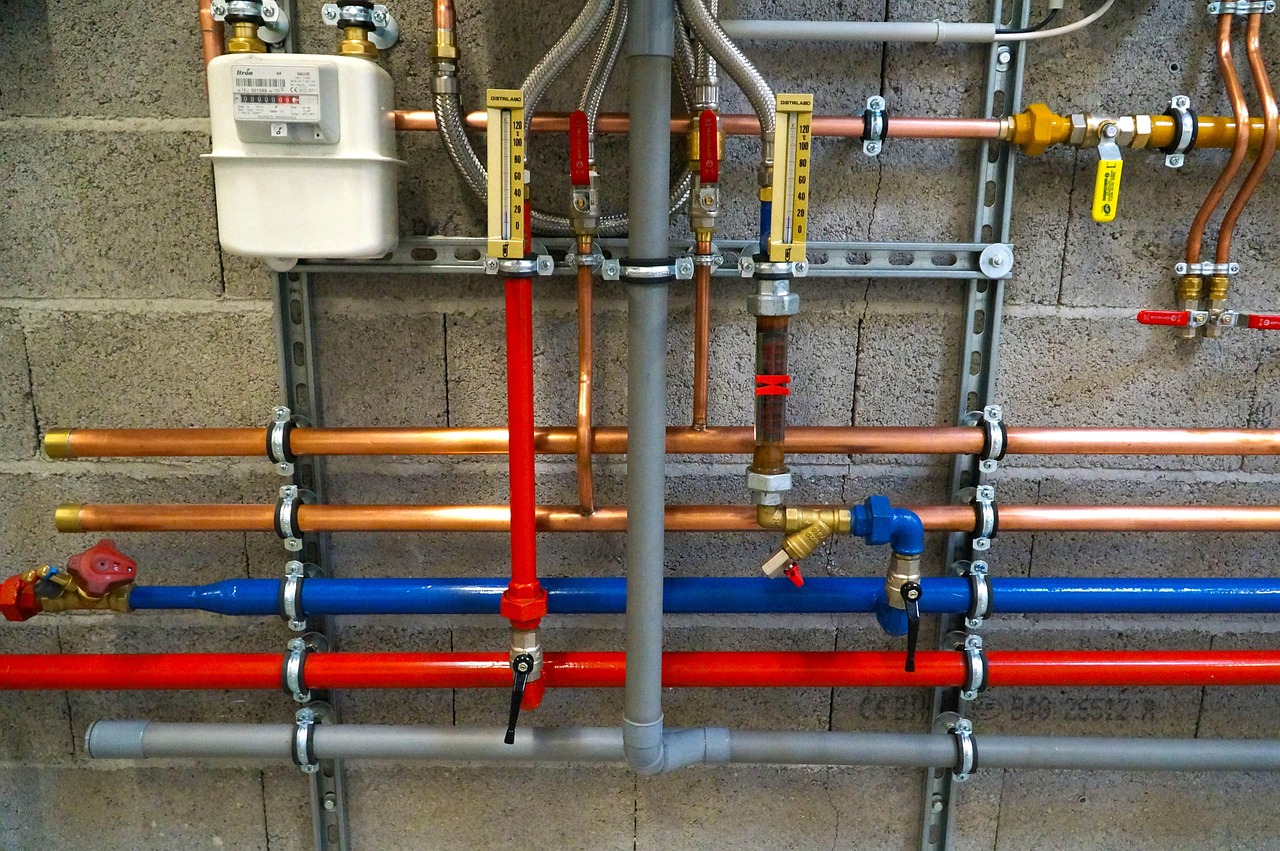
In the heart of Colorado, Denver has been embracing sustainable practices across all sectors, including plumbing. Sustainable plumbing solutions Denver are not just a trend but a necessary step towards preserving our environment while ensuring efficient and effective drainage systems. This comprehensive guide will delve into the world of eco-friendly sewage treatment, highlighting the best practices, benefits, and trusted professionals in the area who can help you make the switch.
Why Eco-Friendly Sewage Treatment Matters
Sustainable plumbing Denver goes beyond traditional waste disposal methods by focusing on minimizing environmental impact. Modern sewage systems often rely heavily on energy-intensive processes and chemicals that contribute to pollution and greenhouse gas emissions. Eco-friendly alternatives, however, offer a greener approach to managing wastewater, promoting biodiversity, and conserving natural resources.
Benefits of Sustainable Plumbing Solutions Denver
Implementing eco-friendly sewage treatment systems provides numerous advantages for both homeowners and the community:
- Reduced Environmental Impact: These systems minimize pollution, protecting local ecosystems and water bodies.
- Energy Efficiency: Many green plumbing solutions require less energy, lowering your carbon footprint and utility bills.
- Water Conservation: Some methods, like greywater recycling, reuse water for non-potable purposes, reducing the demand for fresh water.
- Longer System Lifespan: Sustainable options often use durable materials and require less maintenance, extending the life of your plumbing infrastructure.
Types of Eco-Friendly Sewage Treatment Systems
There are several innovative technologies and methods available for sustainable plumbing solutions Denver. Understanding these systems can help you make an informed decision based on your specific needs and preferences.
1. Septic Tanks with Advanced Treatment
Traditional septic tanks are a common sight in many areas outside of cities. Modern advancements have led to the development of advanced treatment systems within these tanks, improving their efficiency and environmental benefits:
- Aerobic Septic Systems: These use aeration to break down waste, resulting in clearer effluent and reduced odor. They require less land than traditional septic tanks and are suitable for various climates.
- Enhanced Biological Treatment (EBT): EBT systems improve nutrient removal, benefiting nearby aquatic life. They are designed to handle high-strength organic loads and can be installed in areas with limited space.
2. Recirculating Sand Filters
Recirculating sand filters (RSF) offer a natural way to purify wastewater:
- Process: Water is filtered through layers of sand, removing contaminants as it passes through. The contaminated sand is then cleaned using backwashing, ensuring consistent filtration efficiency.
- Advantages: RSFs have a low environmental impact, require minimal energy, and can last for decades with proper maintenance. They are suitable for both residential and commercial applications.
3. Greywater Recycling Systems
Greywater recycling involves collecting and treating wastewater from sources like sinks, showers, and washing machines for reuse:
- Applications: It is ideal for irrigation, toilet flushing, and other non-potable water needs, reducing the demand on municipal water supplies.
- Benefits: Greywater systems save water, reduce energy consumption, and cut down on sewer fees. They are a cost-effective solution for sustainable plumbing in both new constructions and retrofits.
4. Wetland Systems
Artificial wetlands mimic natural ecosystems to treat wastewater:
- Function: Plants and microorganisms break down pollutants in the water, filtering it naturally. These systems are highly effective at removing nutrients, bacteria, and viruses.
- Versatility: Wetlands can be designed for various climates and settings, from small residential plots to large-scale municipal applications. They provide a beautiful, green solution while enhancing local biodiversity.
Implementing Sustainable Plumbing Solutions in Denver: A Step-by-Step Guide
Transitioning to eco-friendly sewage treatment may seem daunting, but with proper planning and professional guidance, the process becomes manageable. Here’s a simplified guide to help you get started:
- Assess Your Property: Begin by evaluating your land’s suitability for different sustainable plumbing options. Consider factors like soil type, drainage, and available space.
- Consult Experts: Reach out to local Denver green plumbing experts who can provide tailored advice and recommendations based on your needs and budget. They will conduct site inspections and offer solutions suited to your property.
- Choose the Right System: Select an eco-friendly sewage treatment system that aligns with your lifestyle, climate, and budget constraints. Each option has unique advantages and considerations, so choose wisely.
- Obtain Necessary Permits: Ensure you comply with local building codes and environmental regulations by obtaining the required permits before installation. This step may involve applications, inspections, and fees.
- Hire Licensed Professionals: Engage licensed and experienced plumbers who specialize in sustainable plumbing solutions Denver. They will install your chosen system while ensuring optimal performance and efficiency.
- Regular Maintenance: Schedule routine maintenance to keep your eco-friendly plumbing system running smoothly. This includes cleaning, monitoring, and adjusting as needed to maintain its effectiveness over time.
Finding the Best Eco-Friendly Plumbers in Denver
When looking for trusted sustainable drainage solutions, consider these tips to ensure you hire the best eco-friendly plumbers near me:
- Check Credentials: Verify that the plumbers are licensed, insured, and certified in sustainable plumbing practices. Look for credentials from reputable organizations.
- Request Referrals: Ask for references from previous clients who have installed similar systems. Their experiences can provide valuable insights into the professionals’ work quality and customer service.
- Inquire About Experience: Experienced plumbers understand local regulations and have likely encountered various challenges, ensuring a smoother installation process.
- Compare Quotes: Obtain multiple quotes to ensure competitive pricing. However, be cautious of lowball offers; they may indicate subpar services or hidden costs.
- Read Reviews: Check online reviews from satisfied customers to gauge the plumbers’ reputation and work quality.
Frequently Asked Questions (FAQs)
Q: How much does it cost to install an eco-friendly sewage treatment system in Denver?
A: Installation costs vary widely based on the chosen system, property size, and local regulations. On average, you can expect to spend between $5,000 and $20,000 for a residential system. Commercial projects may incur higher costs due to larger scale and custom requirements.
Q: Are these systems reliable and easy to maintain?
A: Yes, modern eco-friendly sewage treatment systems are highly reliable and require minimal maintenance compared to traditional methods. Regular cleaning and monitoring, typically every 3-6 months, ensure optimal performance. Most systems come with user-friendly controls and alarms for quick issue detection.
Q: Can I install a greywater recycling system myself?
A: While DIY projects are popular, it’s not recommended for greywater systems due to potential health risks and complex plumbing requirements. Always consult professionals who can ensure safe installation and proper system integration.
Q: How do these systems benefit the environment?
A: Eco-friendly sewage treatment systems significantly reduce pollution by minimizing chemical usage and energy consumption. They preserve water resources through recycling, protect local ecosystems, and contribute to overall environmental sustainability.
Q: Are there tax incentives or rebates available for sustainable plumbing in Denver?
A: Yes, the city of Denver offers various incentives to promote sustainable practices. Check with the Denver Department of Economic Development and Technology or local utility providers for details on rebates, tax breaks, or other financial savings associated with installing eco-friendly sewage treatment systems.
Conclusion: Embracing a Greener Future in Denver
Sustainable plumbing solutions Denver are not just trends but essential steps towards preserving our environment while ensuring efficient drainage systems. By embracing these innovative technologies and practices, we can reduce our ecological footprint and contribute to a greener future for our community. Whether you’re a homeowner seeking an affordable, eco-friendly option or a business owner looking to minimize your environmental impact, there are countless benefits to exploring sustainable plumbing alternatives today.
Remember, small changes in our daily habits and choices, such as adopting green plumbing practices, can collectively make a significant difference for the planet. Let this guide be your starting point on the journey towards eco-friendly sewage treatment and sustainable drainage solutions.