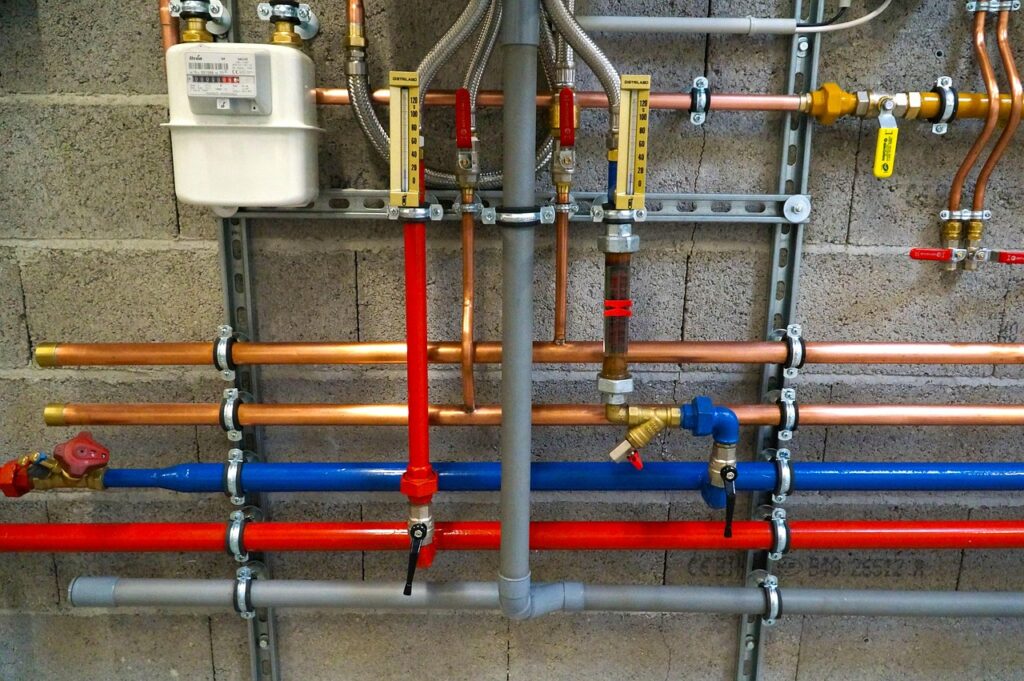
Sustainable plumbing solutions Denver is more important than ever as the city grapples with growing water demands and environmental concerns. Thankfully, innovative technologies are revolutionizing how we manage water, offering efficient and eco-friendly alternatives to traditional plumbing practices. This article explores the top 5 innovations in sustainable plumbing technology that are making a significant impact in Denver and beyond. By adopting these advancements, local residents and businesses can contribute to preserving precious water resources while reducing their environmental footprint.
1. Smart Water Meters: Monitoring Usage in Real-Time
Precision Measurement for Conservation
One of the most crucial innovations is the introduction of smart water meters. These advanced devices replace traditional meters with real-time monitoring capabilities, providing accurate data on water usage throughout a property. Denver residents and businesses can track their water consumption, identify leaks promptly, and make informed decisions to conserve this vital resource.
Benefits for Sustainable Plumbing in Denver
- Early Leak Detection: Smart meters can alert users to potential issues before they become major problems, reducing water waste and the risk of mold growth.
- Personalized Conservation: By understanding usage patterns, property owners can adjust their habits to reduce consumption, benefiting both the environment and their wallets.
- Efficient Billing: Water companies can also benefit from accurate billing based on actual usage, promoting fair practices and customer satisfaction.
2. Low-Flow Fixtures and Appliances: Reducing Water Consumption at Home
Simple Swaps with Big Impact
A simple yet powerful strategy in sustainable plumbing Denver is the installation of low-flow fixtures and appliances. These devices are designed to minimize water usage without compromising performance, making them an affordable way to reduce household water consumption. From showerheads and faucets to toilets and washing machines, low-flow options are readily available and easy to install.
Popular Low-Flow Products:
- Showerheads: Modern showerheads use advanced nozzles to deliver a powerful spray while using less water, often with flow rates as low as 1.5 gallons per minute (gpm).
- Faucets: Aerator fixtures mix air with water, providing a steady stream while reducing flow rates to 0.5 gpm or less.
- Toilets: Low-flow toilets use as little as 1.6 gallons per flush (gpf), compared to the 3.5-7 gpf of older models, saving significant amounts of water.
- Washing Machines: High-efficiency (HE) washers use less water and energy per load, making them a smart choice for eco-conscious homeowners.
3. Graywater Recycling Systems: Reusing Water for the Environmentally Conscious Homeowner
Closing the Loop on Water Usage
Graywater recycling systems represent a significant leap forward in sustainable plumbing solutions Denver. These innovative technologies capture and treat water from sources like sinks, showers, and laundry machines that would otherwise be considered "waste." By treating and repurposing this graywater, homeowners can significantly reduce their freshwater consumption and contribute to local water conservation efforts.
How Graywater Recycling Works:
- Collection: Water is collected from specific fixtures and stored in a tank.
- Treatment: The water undergoes filtration and disinfection processes to remove contaminants.
- Reuse: Treated graywater can be used for irrigation, flushing toilets, or even certain cleaning tasks.
4. Rainwater Harvesting: Capturing Nature’s Abundance
Tap into the Natural Resource
Rainwater harvesting is an ancient practice that has seen a resurgence in popularity as a sustainable plumbing solution in Denver. By collecting and storing rainwater from rooftops, homeowners and businesses can create their own source of water for various non-potable uses, reducing strain on municipal supplies.
Key Components of Rainwater Harvesting:
- Collection: Rainwater is captured using barrels or tanks strategically placed under downspouts.
- Storage: Collected water is stored in tanks until needed.
- Use: Harvested water can be employed for gardening, washing vehicles, flushing toilets, and even certain cleaning applications.
5. Energy-Efficient Plumbing Heating: Warm Water on Demand
Sustainable Hot Water Solutions
Energy-efficient plumbing heating systems are transforming the way we provide hot water in our homes and businesses. Traditional water heaters often guzzle energy, but modern tankless water heaters offer a more sustainable alternative by providing hot water on demand without the need for storage tanks.
Benefits of Energy-Efficient Plumbing Heating:
- Reduced Energy Consumption: Tankless heaters heat water only when needed, significantly cutting down on energy usage and associated costs.
- Longer Lifespan: By eliminating the need to constantly heat stored water, these systems often have longer lifespans than traditional tanks.
- Environmental Impact: Lower energy usage translates to a smaller carbon footprint, contributing to a greener Denver.
Conclusion: Embracing Sustainable Plumbing for a Brighter Future
The top 5 innovations in sustainable plumbing technology discussed here offer Denver residents and businesses practical, affordable solutions to reduce water consumption and minimize environmental impact. By adopting these advancements, we can collectively work towards preserving this precious resource for future generations while contributing to the city’s ongoing efforts in sustainability and conservation.
FAQ:
1. How much can I save by installing low-flow fixtures?
Low-flow fixtures can reduce water usage by up to 60% compared to traditional models, leading to significant savings on your water bill each month. Over time, these savings can offset the cost of installation.
2. Are graywater systems expensive to install and maintain?
While the initial installation costs for graywater recycling systems can vary, they are often more affordable than expected. Regular maintenance is minimal, typically involving cleaning filters and checking pump functionality, making them a cost-effective choice for sustainable plumbing in Denver.
3. Can rainwater harvesting provide all my water needs?
Rainwater harvesting is ideal for non-potable uses like gardening and flushing toilets. However, it may not fully meet your potable water demands, especially in regions with frequent droughts. For drinking water, it’s essential to consult local regulations and consider additional treatment methods.
4. Are energy-efficient plumbing heaters more expensive upfront?
Tankless water heaters can be slightly more expensive to purchase and install than traditional storage tanks, but their long-term energy savings often make up for the initial cost difference over time.
5. How do I find licensed eco-friendly plumbers in Denver?
To locate licensed, green plumbers near you, check with the City of Denver’s Building Department or online resources like Angie’s List. Look for plumbers certified by reputable organizations focused on sustainable practices to ensure quality and environmental responsibility.
References
- Sustainability – Wikipedia — en.wikipedia.org
- What We Do – Energy Resource Solutions — erc-co.org