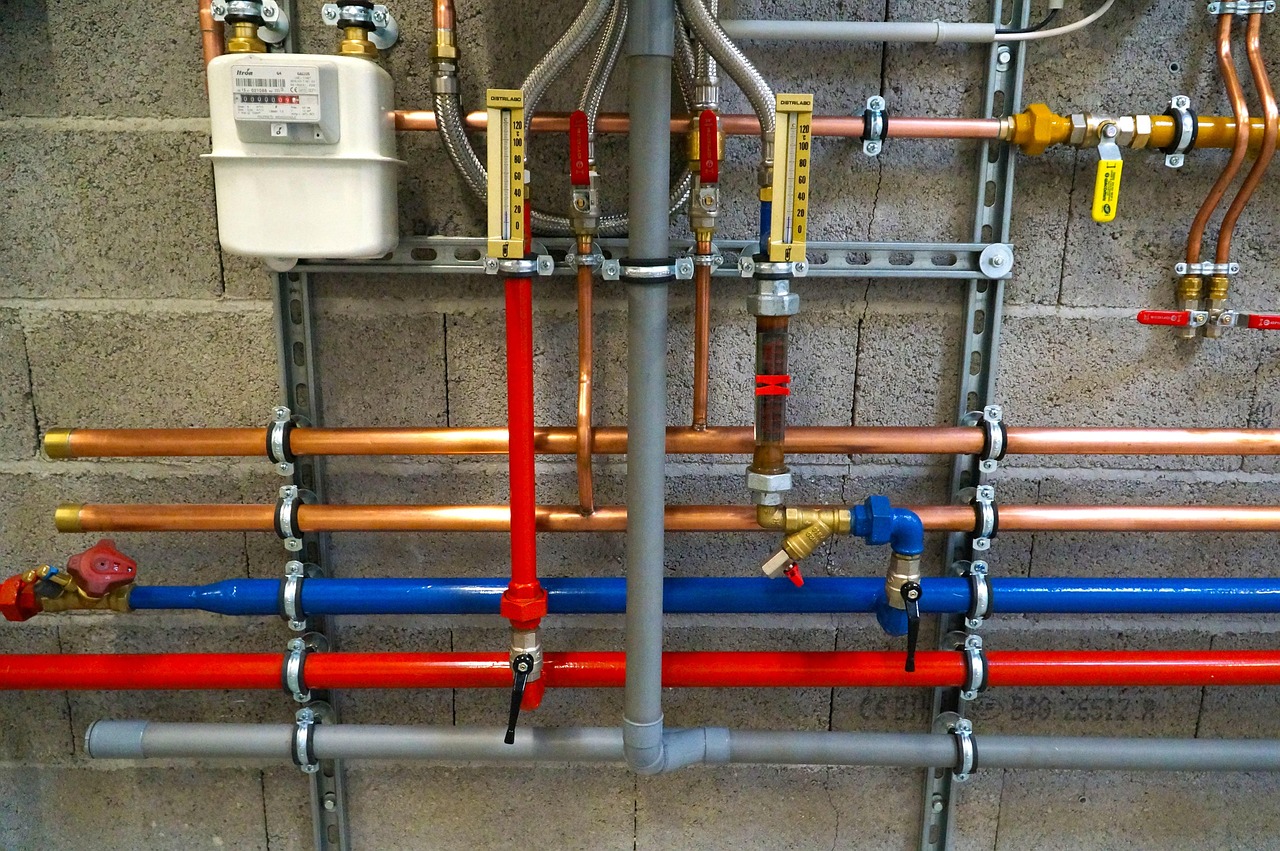
Sustainable Plumbing Solutions Denver: A Green Approach to Water Conservation
In the vibrant city of Denver, businesses are increasingly seeking sustainable plumbing solutions to reduce their environmental impact and contribute to a greener future. Among the various eco-friendly practices gaining traction, water recycling stands out as a powerful strategy. This article explores why adopting water recycling systems can be a game-changer for Denver businesses, highlighting its numerous benefits and offering insights into trusted local experts who can guide you on this path.
Why Choose Water Recycling for Your Business?
Reducing Water Usage and Costs
Water is a precious resource, and in a city like Denver with varying weather patterns, water conservation becomes paramount. By implementing water recycling, businesses can significantly reduce their freshwater usage, leading to substantial cost savings on water bills. This is especially beneficial during periods of drought or water restrictions when supplies are limited.
Minimizing Environmental Impact
Denver’s landscape is characterized by stunning natural beauty, and preserving it is a collective responsibility. Water recycling contributes to environmental sustainability by reducing the strain on local water sources and minimizing the energy required for treating and distributing freshwater. It’s a crucial step towards becoming a responsible corporate citizen.
Promoting Eco-Friendly Practices
Adopting water recycling demonstrates your business’s commitment to eco-friendliness, enhancing its public image as an environmentally conscious organization. Customers and partners increasingly prefer working with businesses that prioritize sustainability, making this an attractive marketing strategy.
Long-Term System Efficiency
Water recycling systems are designed for longevity, offering a reliable and efficient solution for years to come. Regular maintenance ensures optimal performance, ensuring your business stays on top of water conservation efforts without constant investment in new technologies.
Types of Water Recycling Systems
Understanding the available options is crucial when considering implementation. Here are three primary types of water recycling systems suitable for Denver businesses:
Graywater Recycling
This system collects and treats wastewater from sinks, showers, and laundry appliances, making it safe for non-potable uses like flushing toilets, irrigation, or cleaning. Graywater recycling is a straightforward and cost-effective option, ideal for smaller businesses or specific areas within larger facilities.
Blackwater Recycling (Advanced Wastewater Treatment)
Dealing with more challenging wastewater, blackwater recycling involves advanced treatment processes to safely remove contaminants. This system is suitable for higher-volume applications, such as large commercial buildings or industrial facilities, where the treated water can be used for various purposes, including cooling towers and toilet flushing.
Rainwater Harvesting
Complementary to wastewater recycling, rainwater harvesting systems collect and store rainwater for non-potable uses. This method is particularly beneficial in Denver’s semi-arid climate, where rainfall can vary significantly throughout the year. Businesses can utilize harvested rainwater for landscape irrigation, toilet flushing, or even car washing.
How Water Recycling Works
The process of water recycling involves several stages, ensuring the treated water meets stringent quality standards before reuse:
- Collection: Water is collected from various sources within the business premises, such as sinks, showers, and toilets.
- Pre-treatment: Debris and large particles are removed to prevent system clogging.
- Filtration: The water undergoes filtration to eliminate microorganisms, chemicals, and other contaminants.
- Disinfection: Advanced disinfection techniques ensure the treated water is safe for its intended use.
- Storage: Cleaned water is stored in tanks for later distribution within the facility.
- Distribution: Recycled water is supplied to designated areas for non-potable uses, reducing the demand for fresh water.
Benefits for Denver Businesses
Implementing a water recycling system offers a multitude of advantages tailored to Denver’s unique business landscape:
- Compliance with Water Conservation Regulations: Denver follows strict water conservation guidelines, and businesses must adhere to these rules. Water recycling is an effective way to meet these requirements and avoid penalties.
- Enhanced Brand Reputation: Investing in sustainable practices aligns with consumer preferences for eco-conscious brands. It can attract environmentally aware customers and partners.
- Cost Savings: While the initial setup costs are significant, water recycling translates to long-term financial benefits through reduced utility bills.
- Water Security: In an era of climate change and varying weather patterns, having a reliable source of water ensures business continuity during droughts or water shortages.
- Employee Satisfaction: Many employees appreciate working for companies committed to sustainability, fostering a positive company culture.
Finding Local Experts in Sustainable Plumbing Denver
Embarking on a sustainable plumbing journey requires knowledgeable professionals who understand the local climate and regulations. Here’s how to locate trusted green plumbing experts in Denver:
- Online Directories: Search online for "sustainable plumbing solutions Denver" or similar keywords to find listings of eco-friendly plumbers and consulting firms.
- Local Government Websites: The City of Denver’s official website often provides resources and recommendations for sustainable building practices, including plumbing.
- Environmental Organizations: Non-profit organizations dedicated to environmental conservation may offer referrals or workshops on water recycling.
- Word-of-Mouth Recommendations: Ask fellow business owners or industry peers for recommendations based on their experiences with local plumbers.
When evaluating potential service providers:
- Ensure they hold valid licenses and insurance, as required by the state of Colorado.
- Check if they specialize in water recycling and have a proven track record in Denver’s market.
- Request references from previous clients to gauge their satisfaction levels.
- Compare quotes and services to find the best value for your investment.
Emergency Plumbing Services: A Crucial Aspect
While sustainable plumbing solutions are essential, unforeseen issues require prompt attention. That’s where licensed emergency plumbing services in Denver come into play. These professionals are equipped to handle sudden leaks, pipe bursts, or other crises that could disrupt water supply lines.
When choosing an emergency plumber:
- Look for 24/7 availability and rapid response times.
- Ensure they offer transparent pricing to avoid unexpected charges.
- Verify their experience in both conventional plumbing and sustainable practices.
- Consider referrals from local business networks or online review platforms.
Frequently Asked Questions (FAQs)
Q: How much does a water recycling system cost to install?
A: Installation costs can vary widely, typically ranging from $10,000 to $50,000 or more, depending on the size of your business and the complexity of the system. Smaller graywater systems are generally less expensive, while large-scale blackwater recycling projects require significant investment.
Q: Are water recycled products safe for plants and landscapes?
A: Absolutely! Treated water from a properly designed and maintained system is just as safe and effective for irrigation as traditional freshwater. In fact, many businesses report healthier plants and more vibrant landscapes after implementing water recycling.
Q: Can water recycling systems be integrated into existing plumbing systems?
A: Yes, most modern water recycling systems are designed to complement existing plumbing infrastructure. A licensed plumber will assess your current setup and recommend the best integration points for minimal disruption and optimal efficiency.
Q: Are there any maintenance requirements for water recycling equipment?
A: Like any complex system, regular maintenance is crucial for optimal performance and longevity. This typically includes filter changes, system monitoring, and periodic professional inspections to ensure everything functions as intended.
Q: What are the tax incentives or rebates available for sustainable plumbing in Denver?
A: The City of Denver offers various programs and incentives to encourage water conservation and renewable technologies. These may include rebates, grants, or property tax exemptions for businesses implementing sustainable plumbing solutions, such as water recycling systems. Consult with local experts or visit the city’s official website for current details.
Conclusion
Adopting sustainable plumbing solutions Denver offers a compelling combination of environmental stewardship and financial benefits for businesses in the Mile High City. Water recycling is not just a trend but an essential practice for preserving Denver’s natural resources while reducing operating costs. By partnering with trusted local experts, businesses can navigate the journey towards water conservation with confidence, ensuring they stay ahead of regulations and contribute to a greener future.
References
- Sustainability – Wikipedia — en.wikipedia.org
- SUSTAINABLE | English meaning – Cambridge Dictionary — dictionary.cambridge.org